When a Tear-Off Is Necessary
Sometimes a layover simply will not do, and a tear off becomes the necessary choice. Knowing when a tear off is required protects you from a layover that would trap problems and fail early. Here is when a tear off is necessary for a Ingalls commercial building.
Wet Insulation in the Assembly
A tear off is necessary when there is wet insulation in the roof assembly, since a layover would seal that moisture in to cause ongoing damage. Wet insulation is a serious problem that must be removed, which only a tear off accomplishes by stripping the roof down to the deck. For a Ingalls building with wet insulation, a tear off is required, since covering the moisture with a layover would lead to a failing roof and continued deterioration. This is one of the most common reasons a tear off is necessary, since trapped moisture cannot be addressed any other way. An inspection that finds wet insulation points clearly toward a tear off rather than a layover for your building.
Two Layers Already in Place
A tear off is necessary when the building already has two roof layers, since building codes generally limit a roof to two layers total, meaning no third layer can be added. Once a building has two existing roofs, a layover is not permitted, and the only option is to tear off and start fresh. For a Ingalls building with two layers already, a tear off is required by this limit. This is a clear cut reason a tear off is necessary, since the code restriction leaves no choice. Confirming the number of existing layers is part of the assessment, and finding two means a tear off is the only path forward for reroofing the building properly and legally.
A Damaged or Failing Deck
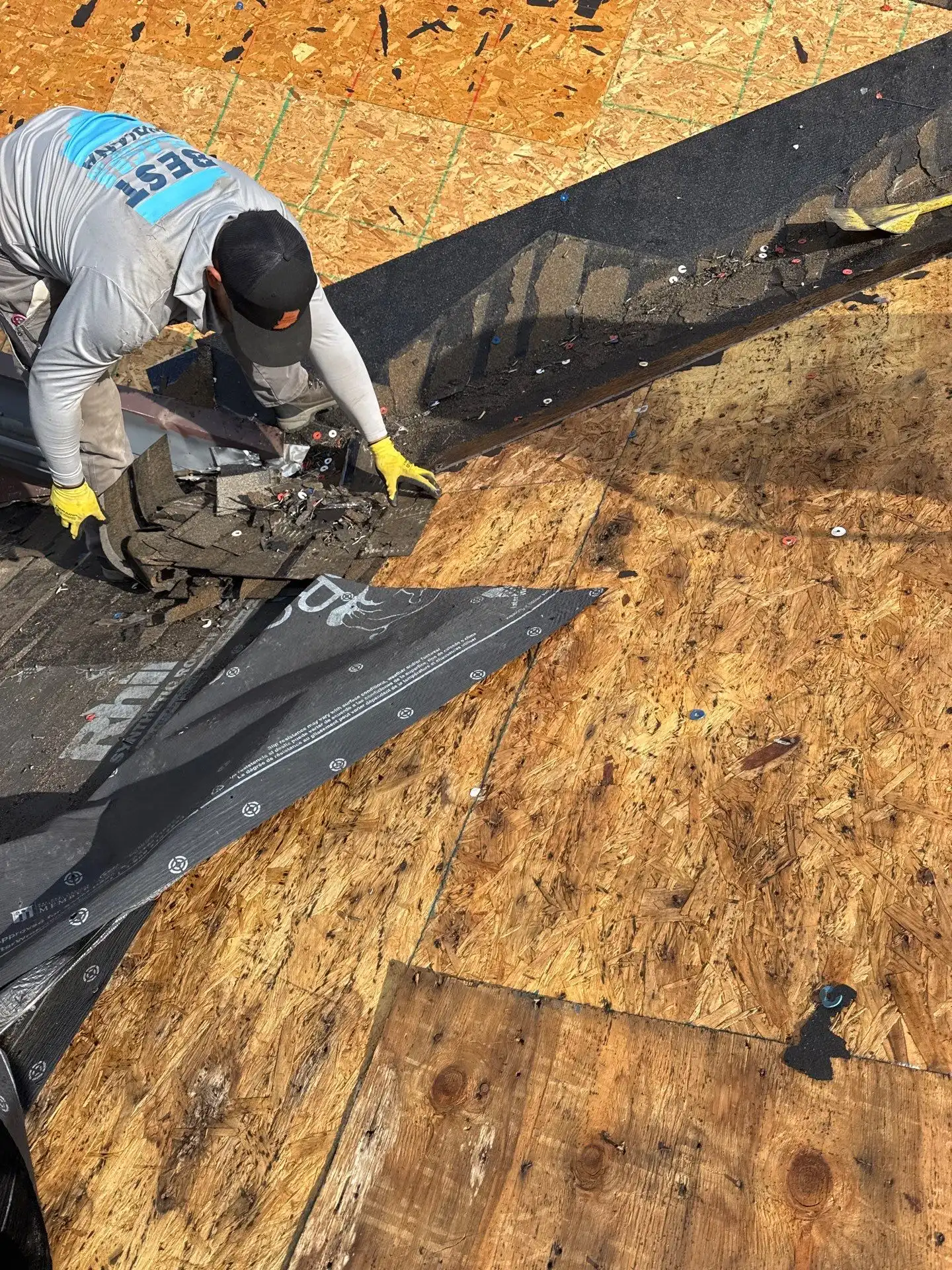
A tear off is necessary when the deck is damaged or failing, since the deck cannot be repaired without removing the roof above it. A compromised deck is a structural concern that must be addressed, which requires exposing it through a tear off. For a Ingalls building with deck damage, a tear off is required to access and repair the deck. A layover would leave the damaged deck covered and unaddressed, which is not sound. This is an important reason a tear off becomes necessary, since the deck is the foundation of the roof, and a damaged one must be repaired for the new roof to perform. An inspection that finds deck damage points toward a tear off for the building.
Widespread Underlying Problems
A tear off is necessary when there are widespread underlying problems in the existing roof that a layover cannot address. Beyond wet insulation and deck damage, an old roof may have extensive deterioration or issues throughout that need correcting, which only a tear off allows. For a Ingalls building with widespread problems, a tear off is the sound choice, since a layover would cover the issues rather than fix them. When the existing roof is compromised in significant ways, building over it risks a new roof that fails early. This is why widespread underlying problems make a tear off necessary, since the roof needs the complete reset that only removing it provides for a lasting result.
When Code Requires It
A tear off is necessary when building code requires it, most commonly due to the two layer limit but also potentially for other code reasons related to the roof and building. Codes govern reroofing, and compliance sometimes mandates a tear off regardless of preference. For a Ingalls building, when code requires a tear off, that is the path that must be taken. A knowledgeable contractor understands the applicable codes and ensures the reroof complies. This is an important reason a tear off may be necessary, since code requirements are not optional, and a reroof must meet them. Understanding when code mandates a tear off is part of the assessment that determines the right and compliant approach for reroofing the building.
The Right Choice for a Compromised Roof
When the existing roof is compromised, by wet insulation, deck damage, two existing layers, or widespread problems, a tear off is simply the right choice, despite its higher cost. The thoroughness of a tear off is exactly what a compromised roof needs, since it addresses the problems a layover would trap. For a Ingalls building with a compromised roof, investing in a tear off protects the building and ensures the new roof lasts. Choosing a layover to save money on a roof that needs a tear off is a false economy that leads to early failure. Recognizing when a roof is compromised, and choosing a tear off accordingly, is what produces a sound, lasting reroof for the building.
When Only a Tear-Off Will Do
A tear off is necessary when there is wet insulation, two existing layers, deck damage, widespread underlying problems, or a code requirement. In these cases, the thoroughness of a tear off is exactly what the roof needs, making it the right choice despite the cost for a Ingalls building.
It helps to understand why the two layer code limit exists, since it is central to the reroofing decision. Each roof layer adds weight to the building, and structures are designed to bear only so much load, so allowing endless layers would risk overloading the building. The limit also reflects roofing performance, since a roof built over multiple existing layers does not perform as well as one on a sound foundation. For a Ingalls building, this is why a building with two existing roofs must have a tear off rather than another layover. Ingalls Commercial Roofing respects these code requirements and ensures every reroof complies, since the limit protects both the safety of the structure and the performance of the new roof.
Find Out if You Need a Tear-Off
Concerned your roof may need a full tear off? Call Ingalls Commercial Roofing at (765) 676-3491 for a free inspection of your Ingalls building. We check for wet insulation, existing layers, and deck condition, and tell you honestly whether a tear off is necessary for a sound reroof.